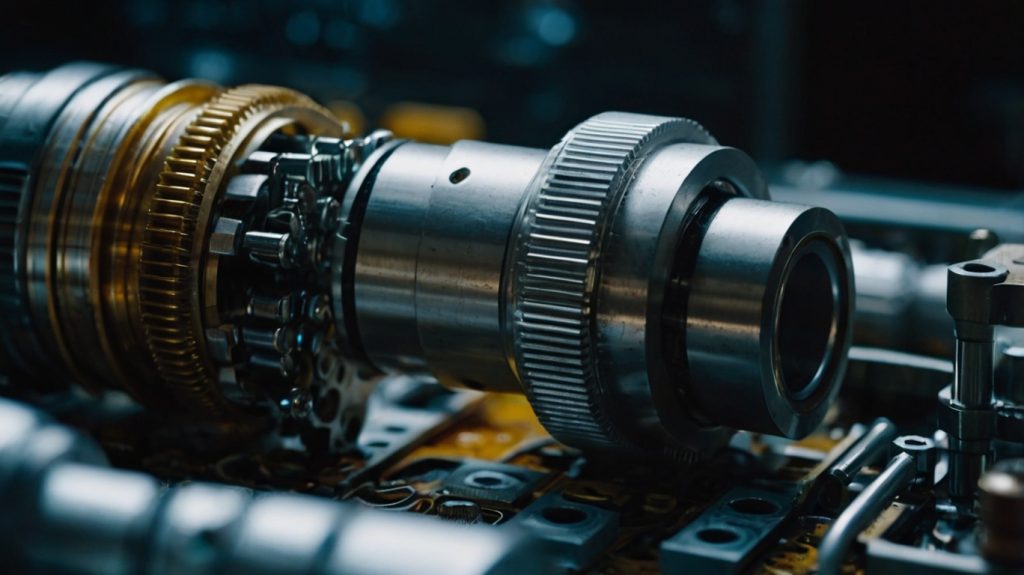
Parts and materials needed in water projects
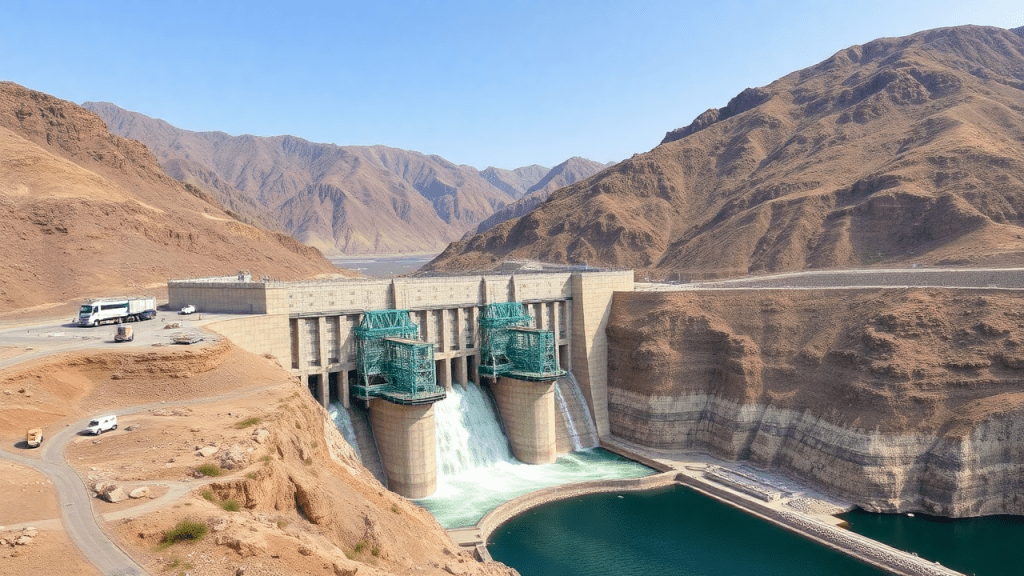
In Iran, given the arid and semi-arid climate, the importance of these projects is doubly high. The successful design and implementation of these projects requires accurate knowledge of the required materials and components, environmental conditions, and the country’s technical and economic limitations. This article examines the types of materials and components used in water construction projects with a specialized approach and, while analyzing the conditions in Iran, offers solutions for optimizing the selection and use of these materials.

Materials used in water development projects🧱
:Concrete and concrete products
.Ordinary concrete: Used for the construction of canals, dams, reservoirs and bridge piers
.Reinforced concrete: Used in structures under pressure and dynamic loads, using steel bars to increase tensile strength
.Roller compacted concrete (RCC): Used in the construction of gravity dams and large projects with high construction speed
.Anti-penetration concrete: With special additives to prevent water from penetrating underground structures and reservoirs
:Stone materials
.Crushed stone and rubble: in the construction of retaining walls, culvert filters and river protection covers
.Igneous and limestone rocks: for the construction of dams and breakwaters, due to their high resistance to erosion
:Steel and metal alloys
.Steel rebar: For reinforcing concrete in water structures
.Galvanized steel sheets: In the construction of tanks, pipes, and corrosion-resistant coatings
.Metal fasteners: Including bolts, flanges, and connecting parts in piping systems and mechanical installations
:Polymer and composite materials
Polyethylene and PVC pipes: in water transmission and distribution networks, due to their high resistance to corrosion and lightness
.Geomembranes and geotextiles: for sealing tanks, channels and preventing water leakage in permeable soils
.Epoxy and polyurethane resins: for waterproofing coatings and reinforcing concrete surfaces
:Earthen and natural materials
.Sand and gravel: in filters, drains and pipe bedding
.Clay and bentonite: for making watertight cores in earth dams

Required parts and equipment⚙️
:Hydraulic parts
.Industrial valves: including butterfly, gate, and ball valves for controlling water flow
.Centrifugal and turbine pumps: for transporting water in irrigation projects and drinking water supply
.Hydro turbines: in hydroelectric power plants for generating energy
:Mechanical and electronic parts
.Control and automation systems: including sensors, PLCs, and monitoring equipment for precise flow and pressure control
.Flow and water level measurement devices: such as flowmeters, level gauges, and pressure gauges
:Structural parts
.Protection systems: include metal screens, protective walls, and anti-erosion coatings
.Flow control valves: in dams and canals to control water levels and flow

Special considerations in the Iranian context
- National standards: The need for materials to comply with the standards of the National Organization of Iranian Standards and the technical regulations of the Ministry of Energy.
- Limited natural resources: Lack of specific materials such as resistant stones in some areas, need to be transported from distant places.
- Economic sanctions: Restrictions on the import of some advanced equipment, need for domestic production or replacement with indigenous technologies.
- Climate diversity: From mountainous areas to deserts, the need to select materials appropriate to environmental conditions.
- Specialized manpower: Lack of specialized engineers in some deprived areas, affecting the quality of implementation.

conclusion
Water development projects in Iran face numerous challenges, including resource constraints, specific climatic conditions, and economic barriers. The correct selection of materials and components not only affects the durability and performance of the project, but also plays an important role in reducing costs and increasing productivity. Special concretes, polymeric materials, advanced hydraulic and mechanical equipment, and natural materials must all be selected taking into account the environmental, economic, and technical conditions of the country. Developing indigenous technologies, training specialized human resources, and updating national standards are among the solutions that can improve the quality and effectiveness of water development projects in Iran. The future of the country’s water resources management depends on smart decisions in . the design and implementation of these projects